A San Diego homeowner comparing heat pump proposals may see different staging terms on each bid. The right choice depends on the complete system, the house, and the written evidence behind each recommendation. There isn’t one universal winner.
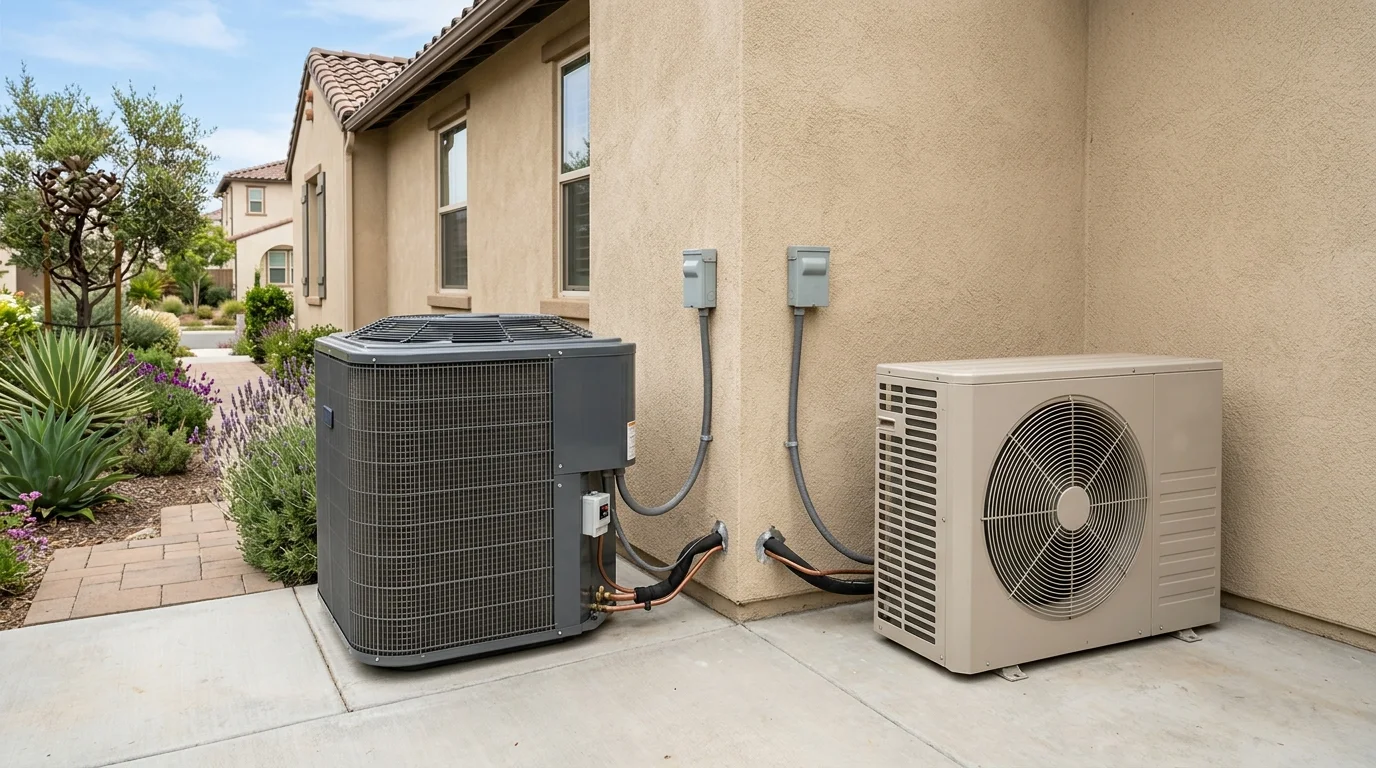
What the two operating approaches change
Single-stage and variable-speed labels describe operating approaches. They aren’t complete system specifications. A homeowner still needs the exact outdoor unit, indoor unit, thermostat, and approved equipment combination.
People often hear single-stage described as the simpler choice. Variable-speed equipment may be presented as the more flexible choice. Treat those descriptions as sales shorthand until the contractor supports them with model-specific documents.
Ask each bidder to explain how the proposed system operates during:
- Startup
- Light heating or cooling demand
- Higher demand
- Thermostat recovery after a setback
- Defrost operation
- Indoor fan operation
The answers should come from documents for the quoted models. A general brochure covering several product families doesn’t establish what one exact combination does.
A two-stage vs variable-speed heat pump comparison needs the same discipline. “Two-stage” alone doesn’t explain the controls, approved indoor match, or operating sequence. Ask the contractor to define every stage and explain how the thermostat calls for it.
Start by placing the proposals side by side. Match every outdoor model with its indoor model and controller. Then compare the documented operating options and required accessories. If one proposal leaves those fields blank, it isn’t ready for a fair comparison.
For a broader look at ratings, visit our guide to SEER2 and HSPF2 efficiency ratings. Ratings provide one comparison point. They don’t replace a complete design for the house.
How coastal and inland homes can raise different questions
“San Diego County” is too broad to serve as a design assumption. Coastal North County, the central city, inland communities, East County, and the South Bay don’t present identical conditions. The proposal should address the property’s actual location.
An Encinitas address shouldn’t receive generic inputs copied from an El Cajon proposal. The contractor should identify the outdoor design conditions used for the specific home. Ask where those conditions came from and how they affected equipment selection.
Homes near the coast can also raise questions about outdoor-unit placement and exposure. Inland properties can raise different questions about peak conditions. Don’t accept a fixed runtime prediction for either location. The approved claims don’t support fixed runtimes or savings percentages.
The house itself matters as much as the city name. Have each bidder document the conditioned area, window exposure, insulation information, and room layout used in the recommendation. If an addition, garage conversion, or ADU changed the home, make sure it appears in the design record.
This local detail helps separate a real recommendation from a renamed template. A Poway proposal should state its own inputs. A Chula Vista or City Heights proposal should do the same.
Our guide to coastal and inland heat pump decisions explains why the exact address belongs in the conversation. Use it to prepare questions, then require written answers from the contractor designing the system.
How airflow and thermostat choices enter the comparison
Equipment staging is only one line in the proposal. Airflow and control details need equal attention. Ask how the quoted indoor equipment and thermostat work with the outdoor unit.
For each option, request written answers to these questions:
- Which thermostat or controller is included?
- Is that controller required for the quoted operating functions?
- Will an existing thermostat remain?
- Which functions remain available with that thermostat?
- Does indoor airflow change during different operating calls?
- Which indoor unit provides that airflow?
- Are additional sensors, wiring, or controls included?
Don’t assume an existing smart thermostat keeps every advertised feature. Ask the bidder to confirm compatibility for the exact model combination. The answer should identify any feature that changes when another controller is used.
The proposal should also explain setup responsibility. The licensed contractor should identify the settings selected during commissioning and show the homeowner how to use the installed control. Avoid accepting vague phrases such as “smart controls included” without a model number.
This part of the comparison can change the practical value of an equipment upgrade. A premium label means little when the proposal doesn’t identify the controller needed to support the quoted operation.
Homeowners considering SEER efficiency upgrades should compare ratings and system details together. New equipment sold must clear a federal minimum, but the minimum figure wasn’t verified for this page. Ask the licensed installer to identify compliant equipment and provide current manufacturer documentation.
When existing ducts may limit the equipment choice
An equipment proposal shouldn’t treat existing ducts as an invisible detail. If the home will reuse them, ask what inspection and measurements support that decision.
The contractor should state whether the duct system was inspected. The proposal should also identify any recommended sealing, repair, resizing, or replacement. If no duct work is proposed, ask for the basis of that conclusion.
Useful proposal questions include:
- What airflow does the selected indoor unit require?
- What existing conditions were measured?
- Were return and supply paths both reviewed?
- Does any room need separate attention?
- Are filters, grilles, or registers changing?
- What duct work is included in the quoted scope?
- What duct work is specifically excluded?
These questions are useful in older central systems and altered homes. A closed-off room, converted space, or past equipment change belongs in the review. Tell the bidder about comfort complaints before equipment is selected.
Don’t let a larger model number substitute for duct evaluation. Also don’t assume a variable-speed label automatically resolves an existing distribution problem. Ask the contractor to connect the proposed equipment, available airflow, and required duct changes in writing.
A central heat pump installation should be designed as a complete system. That includes the indoor equipment and the air path serving each room. If competing proposals disagree about the ducts, ask each bidder to show the observations or measurements behind the recommendation.
Which performance claims need written support
A variable-speed heat pump proposal in San Diego may contain broad comfort, efficiency, sound, or operating-cost language. Convert every important promise into a model-specific, written statement before comparing bids.
Ask for the manufacturer’s published data covering the exact outdoor and indoor combination. Confirm that the model numbers on the proposal match those documents. If the contractor quotes a sound rating or operating range, ask where that figure appears and which test conditions apply.
Efficiency language also needs careful reading. SEER2 is measured under a harder test than SEER, so the same unit scores lower under SEER2. The two ratings aren’t directly comparable. Don’t compare a SEER figure from one proposal with a SEER2 figure from another.
No verified source supports a fixed bill-savings percentage for this page. Operating costs depend on the home, equipment, settings, weather, utility rates, and use. A proposal should not turn a general efficiency rating into a guaranteed reduction.
Warranty language deserves the same treatment. Ask who provides each warranty, what equipment is covered, whether registration is required, and what exclusions apply. Heat Pro SD doesn’t provide equipment or workmanship warranties. Those terms come from the manufacturer and the independent contractor.
Incentive statements also need a current source and verification date. Don’t treat an old rebate amount as part of the equipment comparison. Program funds can open, move to a waitlist, or close during the year.
What each installation proposal should state
A useful comparison starts with two complete scopes. Ask each contractor to put the same core information in writing. That makes differences visible before you choose equipment.
Each proposal should identify:
- Exact outdoor-unit and indoor-unit model numbers
- The approved equipment combination
- Single-stage, two-stage, or variable-speed terminology
- The included thermostat or controller
- Required sensors, wiring, and accessories
- The design inputs used for the home
- Existing duct findings and proposed changes
- Electrical work included or excluded
- Equipment placement
- Startup and commissioning tasks
- Permit responsibility
- Manufacturer and contractor warranty terms
- Exclusions and homeowner responsibilities
Ask the contractor to explain any allowance or placeholder. An unidentified “equivalent” model can prevent a clean comparison. Any substitution should be documented before installation.
Also confirm who will perform the work. Heat Pro SD is a referral service. We match homeowners with licensed, independent local pros and perform no physical work. You can verify a contractor’s license through the California Contractors State License Board.
Price alone doesn’t show whether two proposals cover the same work. One may include controls, duct changes, or electrical items that another excludes. The approved claims don’t provide installation price ranges for this page, so compare the actual written scopes rather than an unsupported average.
Keep the final proposal and referenced manufacturer documents together. If the sales explanation conflicts with the written scope, ask for a corrected proposal before signing.
When to call us
Call when you need a licensed Heat Pump Installation pro to compare equipment, inspect existing ducts, and prepare a property-specific proposal. Call us at (858) 400-4374 and we’ll connect you with a licensed local HVAC contractor.