Finding a licensed contractor isn’t the only step when you need Fujitsu heat pump repair. The equipment brand can affect who understands the system, which diagnostic resources apply, and how warranty questions get handled.
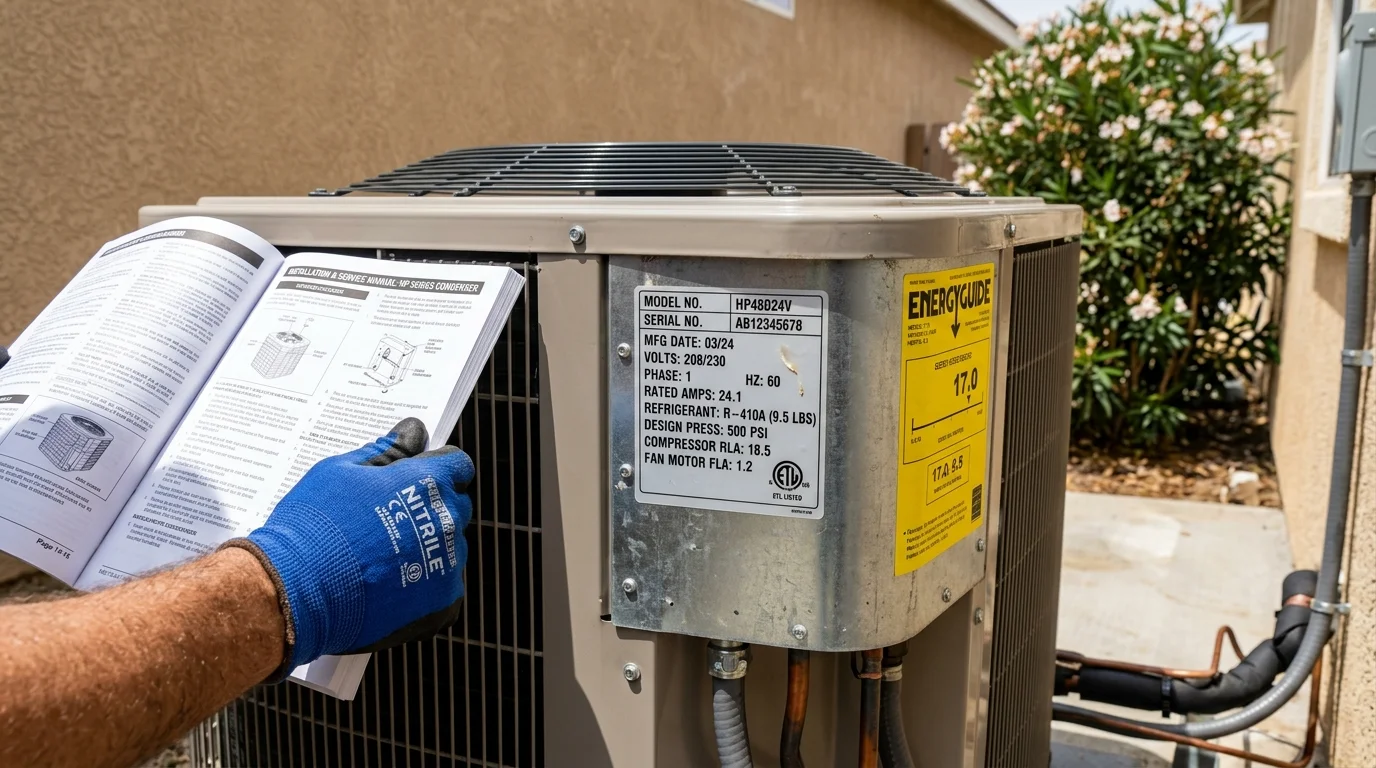
Start by photographing the outdoor unit’s full data plate. Do the same for every indoor unit and controller. Those details let a contractor identify your equipment before discussing the repair.
Dealer networks, and what being an authorized dealer means
“Authorized dealer” is a manufacturer relationship, not a complete description of a contractor. Each manufacturer sets its own dealer terms. Check Fujitsu General’s current U.S. support and dealer information at fujitsugeneral.com/us and ask what any listing covers. That directory is a manufacturer source, not a Heat Pro SD guarantee.
A company may sell a brand, install it, service it, or handle certain warranty procedures. Those roles shouldn’t be treated as identical. Ask the contractor to explain its current relationship with Fujitsu and how that relationship applies to your exact model.
Useful questions include:
- Does the company regularly diagnose this Fujitsu product line?
- Does it service systems installed by another contractor?
- Can it obtain the technical documents needed for your model?
- Who handles communication with the manufacturer?
- Will its findings and proposed work be provided in writing?
Dealer status also isn’t a substitute for checking a contractor’s California license. Use the official CSLB license check and confirm that the record matches the business offering the work. Then check manufacturer status separately.
This matters across San Diego County. A company listed for the region may define coverage by city, ZIP code, or equipment type. Confirm service coverage directly, whether the property is in coastal North County, central San Diego, East County, or the South Bay.
Our guide to hiring a heat pump installer in San Diego covers additional questions about scope, paperwork, and written proposals. The same habits help when you’re choosing a repair contractor.
Parts availability and how it differs by brand
A correct diagnosis should come before any discussion about replacing parts. Ask the contractor to identify the suspected component, explain the test results, and state whether the part matches your complete model information.
The brand name alone isn’t enough. A Fujitsu outdoor unit may be connected to indoor equipment and controls with separate labels. Photograph each label instead of sending only the name printed across the cabinet.
For Fujitsu heat pump repair, ask how the contractor will confirm the current part number. Manufacturer records, technical documents, and distributor information should guide that answer. Don’t rely on a visual resemblance or a generic description.
An itemized written quote should separate the diagnosis from the proposed work. It should identify the component, describe the work, and explain whether another issue could change the scope. If a substitute part is proposed, ask who approved the substitution for your model.
Parts questions can also affect a repair-versus-replacement decision. Don’t make that decision from the age of the equipment alone. Compare the confirmed fault, the proposed repair, current parts support, and the condition of the connected equipment.
Avoid assuming that a delayed or unavailable component means the whole system must be replaced. Ask the contractor to document what source was checked and what the manufacturer currently says. If replacement is recommended, request a written explanation connecting that recommendation to the diagnosed fault.
Our heat pump repair service can connect San Diego County homeowners with licensed independent contractors who can assess the equipment and prepare a written scope.
Warranty terms that require a specific installer
Don’t assume every warranty uses the same rules. Find the warranty document tied to your equipment, then confirm its current terms with the manufacturer. The model number, serial number, installation records, and prior service paperwork can all help identify the right document.
Ask the manufacturer direct questions before authorizing warranty-related work:
- Is the equipment registered under the current owner?
- Does the warranty cover the diagnosed component?
- Must the contractor hold a current manufacturer authorization?
- Does the manufacturer require approval before work begins?
- Which labor, shipping, diagnostic, or access items aren’t included?
- What documents must the contractor or homeowner submit?
These are questions, not assumptions about Fujitsu’s current policy. The manufacturer sets its terms, and the written warranty should control the conversation.
A contractor should also distinguish a manufacturer parts warranty from any separate workmanship warranty. Ask who issued each warranty and who accepts a claim. Heat Pro SD doesn’t perform repairs or issue warranties. The licensed independent contractor provides the work and explains any warranty attached to it.
Keep copies of the proposal, invoice, model labels, registration record, and manufacturer correspondence. If an approval number or claim reference is issued, store that too. Clear records reduce confusion when different companies handle diagnosis, parts, and labor.
If you bought a home with an existing system, ask the manufacturer whether coverage transfers. Don’t assume that it does or doesn’t. Get the answer for your serial number and ownership situation in writing.
Inverter diagnostics and manufacturer-specific tools
A modern system can display symptoms without identifying the underlying fault. Weak heating, poor cooling, cycling, noise, or a controller message gives the contractor a starting point. It doesn’t replace testing.
Ask whether the contractor has service information for your exact Fujitsu model. That can include the correct error-code reference, wiring information, test procedures, and controller instructions. If your model requires manufacturer-specific software or an adapter, ask how the contractor will access it.
Before the visit, gather useful details without opening equipment:
- Photograph every model and serial label.
- Record the controller message exactly as shown.
- Note which indoor zones are affected.
- Save the thermostat or controller settings.
- Describe what changed before the problem appeared.
- Collect earlier invoices and repair notes.
Don’t clear a controller message simply to make the display look normal. First photograph it and note what the system was doing. A contractor can then decide what information matters for the diagnosis.
The written findings should connect each proposed repair to observed evidence. Ask what was tested, what result was found, and what remains uncertain. If the recommendation changes after further testing, request an updated scope before approving more work.
Manufacturer familiarity matters most when it produces a clear diagnosis. A logo on a website doesn’t prove that a particular technician knows your equipment. Ask who will diagnose the unit and whether that person works with the product line involved.
Brand-specific skill is only one factor. The contractor still needs to evaluate the full system, including connected indoor units, controls, electrical components, and any relevant ductwork.
What happens if your installer leaves the business
An installer closing, relocating, or ending service doesn’t erase the equipment label or your records. Start with the manufacturer and ask what options apply to your serial number. Then look for a licensed contractor willing to service an installation completed by another company.
Gather everything you can find before making calls. Useful records include the original proposal, final invoice, warranty documents, registration confirmation, prior service notes, and photos of the installation. If paperwork is missing, photograph each equipment label clearly.
Tell the new contractor that the original installer isn’t available. Ask whether the company accepts work on systems it didn’t install. Also ask what information it needs before scheduling an assessment.
Don’t describe the problem only as “the unit stopped working.” Share the controller message, affected zones, recent changes, and earlier repair history. That gives the contractor a clearer starting point without pretending the cause is already known.
Warranty responsibility needs special care. Contact the manufacturer directly and ask whether another contractor may perform the work. Confirm any authorization steps before approving repairs. If the original installer issued a separate workmanship warranty, ask the document’s issuer how claims are handled when that business is unavailable.
A new contractor may find that the system needs repair, correction of earlier work, or replacement. Request written findings before choosing a path. The document should distinguish confirmed defects from recommended changes.
Heat Pro SD can match homeowners with licensed independent local pros. The matched contractor decides whether it can service the specific equipment and provides its own written scope.
How to check service coverage before you choose equipment
Service access belongs on your equipment checklist, alongside comfort and system layout. Before choosing a brand, identify licensed contractors who say they work on that product line in your part of San Diego County.
Check more than the installer’s sales materials. Look at the manufacturer’s current contractor directory, then contact listed companies directly. Ask whether they install, maintain, and repair the model family you’re considering.
Service coverage can be especially important when comparing equipment for coastal North County, inland North County, central San Diego, East County, and the South Bay. Give each contractor the property’s ZIP code. Ask whether it handles that location and whether coverage changes by equipment type.
Build a short written record before choosing equipment:
- Save the proposed outdoor and indoor model numbers.
- Confirm who can diagnose that product line.
- Ask who supplies replacement components.
- Request the current warranty document.
- Ask how warranty authorization works.
- Confirm whether another licensed contractor may service the system.
- Keep the answers with the final proposal.
Don’t choose equipment only because one installer offers it. Think about who could maintain the system if that relationship changes. A brand with several suitable service options may fit your ownership plans better than one with unclear local support.
Our guide to the best heat pump brands for San Diego explains how to compare equipment without relying on brand recognition alone. Use that comparison with current service and warranty information from the manufacturer.
Before signing, verify the contractor through CSLB. Then request an itemized written proposal identifying the exact equipment, scope, and responsible contractor. That gives you a cleaner record if the system later needs service.
When to call us
Call when your Fujitsu system needs diagnosis, or when you are struggling to find a licensed contractor familiar with the equipment. The Heat Pro SD line is voicemail with a recording-consent notice. Leave a message at (858) 400-4374 and we will match you with a licensed independent HVAC contractor. We cannot guarantee a Fujitsu-authorized match.